
Sick of waiting for everyone to join you for adventures? Congrats! You’re about to create maybe some of the best memories you’ll ever have. Setting out on a solo road trip is a unique and fulfilling adventure, offering the opportunity for self-discovery and a chance to be on the open road exactly the way you want.
While exciting, taking your first long drive by yourself can feel daunting, especially if you don’t have a lot of experience taking road trips in the first place. I remember when I took my first road trip on my own to a national park in Nebraska that was about 3h away..rather spontaneously (it was phenomenal!).
Since then I’ve taken lots of journeys by car as a solo female traveler, both in the United States and also in the UK, Germany, and even Spain – so I have a wealth of knowledge for you!
From planning and safety precautions to embracing flexibility and connecting with locals, each of the tips below is designed to empower and reassure you as you get ready to conquer your first road trip experience as a solo traveler.
So what are you waiting for? Take a deep breath, and let’s get started!
How to Take Your First Solo Road Trip With Confidence
This comprehensive guide provides all the best tips and insights to make your journey not only feasible but also enjoyable and safe. I’ve made all the mistakes for you so you don’t have to – which is a great way to learn on the go, too hehe!
1. Have a Plan
Sounds easy enough, right? You’d be surprised how many forget about this one. So, before setting out on a road trip alone, it’s essential to have a well-thought-out itinerary. While taking a spontaneous road trip may sound exciting, it can get stressful (and expensive!) if you don’t do at least little planning.
You don’t have to have every second of your trip figured out, but the more you know ahead of time, the easier and less stressful it will be (not to mention, you can plan specifically for a scenic route!)
As you outline your route, highlight all the key stops and roadside attractions that you might want to visit along the way. This will also help you estimate travel times between destinations, allowing you enough time to explore your must-see places before hitting the road again.
Pro Tip: I recommend using Google Maps to pin all the best places you want to see along your route. This is also how I figure out drive times between my stops and how I decide where I’m going to stay overnight.
Pro Top 2: I LOVE the app Roadtrippers that will show you what’s to see on the way of your route, so the route becomes its own adventure even. There’s a free and pro version, so you can choose what fits you better.
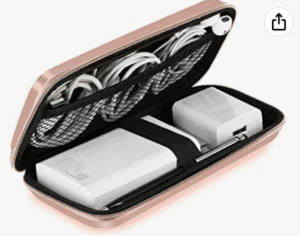
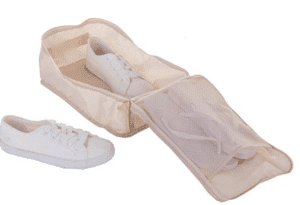
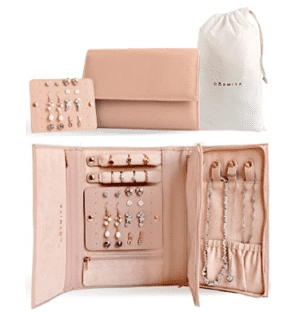
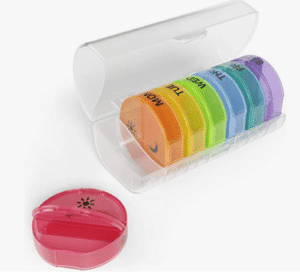
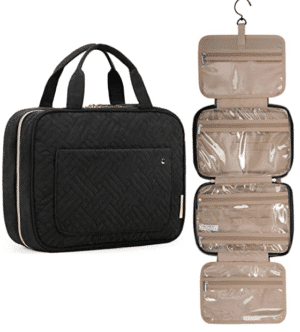
Having a plan also means creating a packing list and knowing what needs to get done before you leave – Check out my article about 7 Travel Must-Have’s to Travel Like a Pro.
2. Budget for a Solo Road Trip
Along with having a loose plan, it’s also a good idea to make a realistic budget for the length of your trip.
Every road trip is going to include different budget categories, but some of the things you will need to account for include meals, fuel, accommodations, and attractions/tours.
Tip: Leave space in your budget for any unexpected expenses.
One of the benefits of traveling solo is that you are only budgeting for one person. While you won’t be able to split the costs of gas or hotels, you only have to pay for food and tickets for one person, which can save a lot of money vs. traveling with a spouse or kids.
Get my FREE Roadtrip Budget Planner here!
A well-planned budget lets you enjoy your trip without worrying about whether you have enough money for the duration of your adventure. Don’t brush this step off – it’s an important one!
3. Book Accommodations in Advance
Yes yes, I know. Being spontaneous and adventurous is a vibe, however, depending on where you want to go this can quickly turn into frustration. If you plan on going to a popular destination, you may be out of luck (example: Florida Keys or Savannah, GA)! So, it’s always a great idea to book accommodations ahead of time, especially when setting out on a solo road trip. This guarantees a place to rest your head each night and eliminates the stress of finding suitable accommodations on the fly.
Pro tip: Try to book accommodations that allow free cancellation. You never know when your plans might change and you don’t want to lose money because of this. You might end up paying a few dollars more, but I find it worth it instead of losing everything if you have to cancel.
Safety Tip: Sometimes, I like to book the room for two people where I make the booking for my partner and add myself as a secondary guest, that way, whether he joins me or not, it will at least look like I’m not alone. Same thing: If you’re traveling alone, don’t tell people that you’re doing so…because you just never know anyone’s intention.
4. Choose Your Accommodations Wisely
Going along with the above tip, you’ll want to spend some time researching your accommodation options, especially when taking a road trip alone.
Find hotels or rentals with positive ratings from other solo travelers, and make sure they are current! If there are any questionable reviews or if all the reviews are over a year old, skip it and find somewhere else.
One time, I thought I found a great deal on my roadtrip from NJ back to FL and the place ended up being in a rather unsafe neighborhood in the middle of nowhere. I slept terribly and was anxious the entire time, but because I arrived so late, I didn’t have many options… soooooo, don’t be like me here.
If you are staying in a city, I’d also recommend taking a minute or two and researching the neighborhoods as well. I made this mistake when my friend and I spent a couple of nights in Toronto. The neighborhood where our apartment was located was rough, and we felt very uncomfortable walking around there. If you are by yourself, this is even more important!
 5. Prep Your Vehicle Before You Leave
If you’re driving your own vehicle and not a rental, you’ll want to ensure your car is in good shape and prepared for the journey.
A couple of weeks before your trip:
- Get the oil changed
- Brakes inspected
- Tires rotated
- Fluid levels topped off
- Buy any car accessories for roadtrips
- Check on your AAA membership (if you have it)
If any problems are found, you’ll want to have plenty of time to get the necessary maintenance performed, so don’t wait until the last minute!
While it may cost you a little bit of money to get the work done, it is well worth it compared to having your car break down on the side of the road while you are by yourself and far from home.
This is one of the most important things you absolutely should not skip.
If it feels daunting for you to think about going on a road trip alone, consider reading my article on whether you should go to begin with!
6. Consider Getting Roadside Assistance
It’s also a good idea to look into a roadside assistance program, such as AAA.
While many car insurances offer roadside assistance for an extra few dollars, I’ve found that AAA is better by miles (pun intended hehe). This service can be a lifesaver in case of any unexpected vehicle issues, such as flat tires, a dead battery, or running out of gas.
Pro Tip: Membership also gives you lots of travel discounts which could save you some money (this is the part that makes the big difference to getting it through your car insurance). A huge extra perk is that you can get your international drivers license through AAA for a low cost as well as your passport pictures for free (if you’re on the pro plan).
I have AAA and find the annual cost to be well worth the peace of mind. If you are traveling alone, especially to remote locations, it’s a lot safer and less stressful to place a phone call and have someone come out to help you than trying to figure out how to solve the problem yourself.
7. Pack a Car Emergency Kit
While having roadside assistance is wonderful, you should also have a few items handy that will help in a pinch and will allow you to take care of some minor things yourself if you end up in the middle of nowhere.
When you pack an emergency kit for the car, at the very least you’ll want to include:
- First aid kit
- Flashlight
- Jumper cables
- Portable battery jumper
- Air compressor
- Safety vest
- Additional phone charger
- Toilet paper & wet wipes (super underrated one)
I also like to include water, emergency blankets, an ice scraper, and a small shovel in case of an emergency in the winter.
8. Have Travel Insurance
An important thing to do before setting out on any long trip, whether you are traveling solo or not, is to get travel insurance.
This insurance can cover unforeseen events like trip cancellations, worst-case scenarios, and medical emergencies. Some insurance will also cover lost luggage and stolen electronics.
Personally, I like Allianz Travel insurance as this insurance company provides an annual one, so you don’t have to get an individual plan for each trip, which can quickly add up on costs – this makes the most sense if you travel frequently, if not, get an individual plan.
Other than that, there are plenty of companies out there, such as Safety Wing, but I’ve also used World Nomads and they are good too. Take some time to research a few and find the one that works for your situation and budget.
9. Pack Drinks and Snacks
One of the best things about a solo roadtrip and the drinks and snacks, no? Keep yourself fueled and hydrated during your journey by packing a variety of drinks and snacks – and since it’s just you, you can pick your favorite ones!
I always recommend bringing an assortment of your favorite non-perishable options so you can have a stash handy throughout the trip, but it’s also not a bad idea to bring a cooler and have a few cold drinks and fresh options available for when you take a break.
If you’re road-tripping across the U.S., one of the easiest ways to find nearby rest areas is by using the USA Rest Stop Locator app. It shows you exactly where stops are along your route, which makes planning bathroom breaks, stretch stops, or quick snack runs way less stressful. Super practical, especially on long drives — definitely one to keep downloaded.
10. Have Various Forms of Entertainment
When you have no one to chat with or to keep you company, it’s a good idea to pack different forms of entertainment so you don’t dread the drive.
Here are some suggestions to make the drive better:
- Create music playlists to pump you up on the boring stretches
- Rownload an audiobook or two that have been on your list for a while
- Listen to podcasts
- Listen to radio – this will actually change depending on where you’re heading, so you might not even be able to listen to the same radio sender the entire time
Having a mix of entertainment options ensures you don’t get bored of the same thing the entire journey. While I love the idea of podcasts and audiobooks, I always get distracted by the pretty environment and then miss a lot of context and have to rewind, so I just settled on music for the entire drive.
11. Have Two Navigation Methods
While it’s common these days to use GPS on our phones for real-time directions, technology always has a way of malfunctioning or breaking when it’s the least convenient. At least, that’s been my experience…does it seem to work that way for you too?
Pro Tip: Download the area you’ll be traveling in on Google Maps/Apple Maps, so even if the signal goes out, you’ll be able to get to your destination at least.
Since you don’t want to end up not being able to reach your destination if your maps stop working, it’s important to have traditional paper maps or road atlases at least as a backup. This is also handy in case you are traveling through small towns with poor signal reception or sporadic cell phone service.
When you are by yourself, it’s going to be a lot harder to read a map while driving, so make sure to check on your upcoming route ahead of time and load the areas. If you use Roadtrippers and have the pro version, you can also access the info offline.
12. Download Offline Maps
As mentioned above, just in case you are traveling through some areas that might have spotty cell service, it’s also a good idea to download offline maps for the regions you’ll be traveling through.
Google Maps and Apple Maps both provide this option, and I believe other GPS devices can do this too. Especially important when you take a road trip alone, this will allow you to access your maps and directions on your device even when there’s no phone signal.
How to download offline maps on Google Maps:
- Open the Google Maps app.
- Make sure you’re signed in.
- Search for the city or area you’ll be visiting.
- Tap the name of the location at the bottom of the screen.
- Tap the three dots (?) in the top-right corner.
- Select “Download offline map.”
- Adjust the area to include everything you need.
- Tap Download.
Tip: Do this while connected to Wi-Fi before your trip to avoid using mobile data.
How to download offline maps on Apple Maps:
(iOS 17 or later required)
- Open the Apple Maps app.
- Tap your profile icon (top right).
- Tap Offline Maps.
- Select “Download New Map.”
- Search for the city or area you need.
- Adjust the map area to include your full route.
- Tap Download.
Tip: Download maps over Wi-Fi before your trip to avoid using data.
13. Don’t Keep Important Documents All in One Place
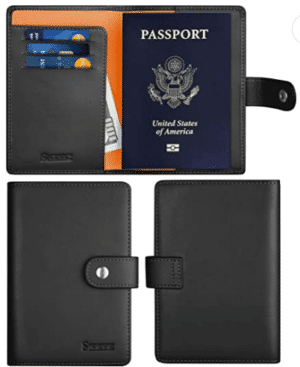
It’s a good idea to not keep essential documents like passports, IDs, and credit cards all in one location. Store copies in different bags or pockets to minimize the risk of losing everything in case of theft or misplacement.
What I like to do is travel with 2 different credit cards and keep one out of my purse and wallet, like in my luggage. I also never keep my passport in my wallet, either. I like to make sure it’s in a secure place that I can reach easily enough, but not on my person.
14. Have photos of your credit cards and IDs
Going along with the above tip, you can add an extra layer of security by taking photos of your credit cards and identification documents.
Store these images in a secure digital folder on your phone and also email a copy of them to yourself so you can access them from anywhere. In case you do lose them or have them stolen, these copies will help make the process of reporting and replacing your items quicker and easier.
15. Find Exciting Things to See and Do
You’re taking your first solo trip by yourself, so you should obviously find fun things to do along the way! That’s the point, right?
Since you are alone, you can see whatever strikes your fancy, and you don’t have to compromise with another traveler.
Whether it’s:
- Visiting landmarks
- Hiking in national parks or state parks
- Trying local cuisine
- or exploring hidden gems
Having a list of places to see makes the journey more enjoyable and gives you things to look forward to.
Pro Tip: If you use Google Maps or Roadtrippers, check for things to do along your route as well. I’ve found so many cool things literally by an exit on my road. With roadtripping, it’s not about the destination, but literally about the journey itself along it.
This is your time to see and experience things that others in your life may not enjoy as much. Have an obsession with caves? Find as many as you can along the way! Love a good Indian restaurant? Try to eat at all the best ones! The days are yours to use however you’d like, so take advantage of it!
16. Know Your Driving Limit
If you’ve never taken a long road trip by yourself before, you might not know how long you can travel in one day. It’s important to learn this so you don’t tire yourself out too quickly on your journey.
Be aware of fatigue and take breaks when needed. If you start to feel drowsy, know that it’s time to pull over and rest, even if you’re not at your next stop yet. Your well-being and safety depend on your ability to stay alert behind the wheel.
I also recommend on your first road trip to travel slower and not as far each day as you think you might be able to. This will help you learn your limits, and slower travel is much more enjoyable, in my opinion. For my first solo road trip I did a day trip to the next state over, so maybe something like that to start out with?
17. Take Breaks
To maintain focus and prevent fatigue while driving, it’s important to take regular pit stops. I recommend taking at least a 15-minute break every two hours or so.
When you stop, it’s a good idea to walk around and stretch your legs, grab a snack and a drink, and check anything you need on your phone before you hit the road again.
I also think it’s a good idea to take at least one or two longer breaks a day. This could be stopping at an attraction, finding a good restaurant to have a meal, or discovering a nice walking trail to stretch your legs.
18. Don’t Drive at Night
Nighttime driving is not the best idea when you are a solo road tripper. Not only are fewer places open, meaning fewer opportunities for gas, food, and bathroom breaks, but you are more likely to drive sleepy.
This is an unpopular opinion, but I actually LOVE driving at night because there’s less cars around. However, for your first few roadtrips, you shouldn’t go at night unless you have someone with you that can help if you fall asleep.
Also, if you do end up breaking down or need to pull over to nap, it won’t be nearly as safe since there are fewer people on the road, especially if you are a woman. If you are driving alone, drive during the day.
19. Keep Your Gas Tank At Least Half Full
It’s always a good idea to keep your gas tank at least half full, but it’s especially important when setting out on a road alone. This precaution ensures you will have enough fuel for unexpected detours or long distances between gas stations, especially in remote areas.
Pro Tip: Download the app Gas Buddy to find cheap gas along your route, so you can plan accordingly.
I’ll admit I’m not the best at this. I’m that person who lets the gas gauge get pretty close to empty, and then panics if I can’t find a station to fuel up. I’m trying to get better at this, especially when I’m traveling solo.
You don’t need this added stress on your journey. When you see the gauge hit about halfway, use that as a reminder to take a break and find a gas station.
20. Bring a Camera and Tripod
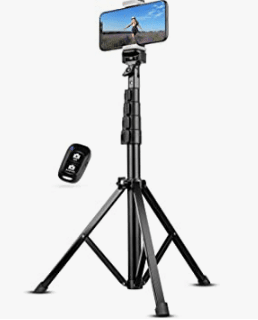
Capture the memories of your solo road trip by bringing along a camera and a tripod.
If you are introverted like me, you might feel a little weird taking photos of yourself this way. However, you’ll get much nicer pictures than the standard selfie with your phone, and since you are by yourself, you can take as much time as you want for a photoshoot.
Favorite Amazon Travel Tripods
IPhone:
- Portable magnetic tripod for MagSafe IPhone (MY FAVORITE)
- 360°Rotating and adjustable magnetic MagSafe Tripod for IPhone
Any Phone:
- Portable selfie stick and adjustable tripod all-in-one for any phone
- DJI Osmo Mobile 7 Gimbal Stabilizer for iPhone, Android, Built-in Tripod, Portable Stabilizer (worth the price!)
Don’t let a few moments of awkwardness prevent you from taking the photos you want. You’ll feel less and less weird about it the more you do it, and you’ll also get better and faster at it too.
21. Park Your Vehicle in Well-Lit, Popular Areas
If you’re a woman, you probably were taught to do this no matter where you go, but it’s good advice to remember when you are traveling, too, especially since you won’t be familiar with the neighborhoods and areas you’ll be visiting.
Choose well-lit and popular areas when parking your vehicle. Opt for locations with good visibility and frequent foot traffic. Sometimes this will mean paying for parking, but safety is worth paying a few dollars. Personally, when I would drive alone at night, I’d park right in front of a really large gas station entrance that has a lot of lights and cameras.
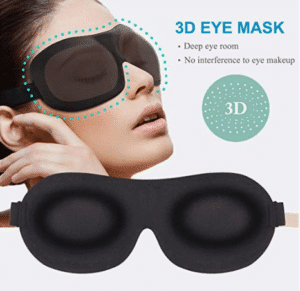
Pro Trip: To be able to sleep in light areas, bring an eye mask and ear plugs.
Parking in well-lit locations also reduces the risk of theft or vandalism to your car and enhances your overall security at rest areas, especially if you do end up driving when it’s dark.
22. Always be Aware of Your Surroundings
While it’s always important to be aware of your surroundings, but this is especially true when you’re taking a road trip alone, and unfortunately even more so if you’re a woman.
When you’re driving, you’ll be the only one able to watch for traffic conditions, potential hazards, and changing weather, so you’ll need to avoid distractions. This can be hard to do when you’re driving all day, so this is another reason why you should take frequent breaks to make sure you’re alert.
When you’re out exploring, do your best to look like you know where you’re going (even if you don’t). People who look lost and distracted are often the ones who are targets for pickpockets and thieves.
The way I do this is when I’m using Google Maps to navigate while walking, I preview the route ahead of time and then put the phone in my pocket. It vibrates when a turn is coming up, and if I need to glance at it quickly, I can do so without looking like I’m following directions.
Pro Tip: If you have an Apple watch, use Apple Maps so it vibrates your wrist when you have to make a turn.
No matter what, you’ll probably look like a tourist sometimes, but if you are paying attention to your surroundings and look like you are on your way somewhere, you’ll be less likely to be targeted.
 23. Be Willing to Be Flexible
Embrace the spontaneity of the road by being open to changes in your plans. While planning is crucial as we talked about in the beginning, leaving room for some flexibility can lead to unexpected discoveries and a more interesting road trip.
Whether it’s staying an extra day in a small town you fall in love with, taking an unplanned hike that was recommended by a local, or simply having a picnic at a rest stop with breathtaking scenery, being flexible allows you to fully enjoy your solo road trip.
Pro Tip: Traveling alone can even help your mental health if you’re struggling with anxiety as traveling tends to mess up your rather rigid plans almost always. So, it forces you to become flexible, which in return desensitizes you when changes come up in your day-to-day life.
Embrace the unexpected and add a sense of adventure to your journey. Sometimes, these are the parts of your trip you’ll remember the best.
24. Check in With Someone Daily When You’re on a Road Trip Alone
Maintaining a line of communication with a family member or friend is important when you’re on the road by yourself. You don’t have to stay connected 24/7, but you should touch base with someone regularly, preferably every evening so they know you made it to your destination that night.
I also like to give a copy of my itinerary to someone, usually my partner, best friend and/or my mom, so that if they don’t hear from me in a day or two, they know what my plans are and where I should be.
If you’re nervous about traveling by yourself, you can also get an app that will share your location with people so that they can see where you are while you’re traveling. The extent of this is up to you and what you are comfortable with.
My favorite apps for this are:
- Life360
- bSafe
- Noonlight
- SaferVPN
- Apple Find My (share location with another iPhone user)
- GeoZilla (real-time tracking with geofencing and driving reports)
25. Don’t Post on Social Media When On a Solo Trip
I know it’s super tempting to post every day about what you got to see and do, but it’s good practice to keep your travel location off social media until you get home (or at least get to your next destination).
I used to do this myself, but I’ve realized how risky it can be, so now I don’t post any pictures or updates until I’ve returned or I’ve moved on to the next city.
This is good advice even if you are traveling with others. You never know who might see your posts, and if people know you aren’t home, it could make your home a target for burglary.
26. Trust Your Gut
Instincts can be powerful. Especially when traveling solo, it’s important to listen to and trust your gut feelings – we were given them for a reason.
If a situation feels off or unsafe, trust your intuition and make your decisions accordingly. This is not a time to second-guess yourself or brush it off.
27. Safety Tips for Solo Female Road Trip
Note: This is going to be a very personal decision, and this suggestion is not to cause debate, but to simply bring the option to your attention.
You may not personally feel comfortable carrying pepper spray, a stun gun, real gun, or another type of protection, and that is perfectly fine, but these are an option for some people if you want extra security.
There are rules and regulations to each of these as well and it depends on the US State/country you’re in, and before you decide whether or not you want to have one, you need to make sure you are fully aware of the laws where you are traveling and how to use them properly.
Note: You DON’T have to be nice to everyone. You can be mean and you can say no. It’s okay!
While the hope is to never use them, having any of these items can provide an added sense of security and peace of mind when you take a road trip alone.
28. Meet Up with Locals
Add to your solo travel experience by connecting with locals.
There are so many ways to do this:
- Local Facebook groups
- Couchsurfing
- Meetup.com
- Nomadlist
- Staying in hostels
- Going to
- Coworking cafe’s
- Coffee shops
- Walking tours (many are free!)
- Bar hopping tours
to meet people in the areas you will visit. If you’re staying in an Airbnb or other property rental, you can often chat with the hosts or other people on the property.
Meeting up with locals can offer valuable insights and recommendations as well as provide the opportunity for social interactions. If you’re an extrovert, you might need this after spending a lot of time alone. If you’re an introvert like me, you may not NEED it, but it still can be nice to have a conversation that’s not with yourself every once in a while!
 29. Just go and have fun!
If you still have any doubts about your ability to take a road trip alone, I hope you’ll take this last piece of advice: just go and have fun!
Solo travel is a unique opportunity for self-discovery and creating lasting memories. It may feel scary and be out of your comfort zone, but things that are worth doing are rarely easy or comfortable.
You’ll never know how it will go until you try. You may find that you don’t enjoy traveling alone, but you’ll be so proud of yourself for giving it a shot, and I guarantee you’ll feel a lot more confident afterward.
Curious what I discovered during a completely spontaneous solo road trip as a woman? I shared the real lessons, the unexpected moments, and the stuff I wish I’d known beforehand. You can read the full story here.
Last Thoughts On How to Take a Road Trip Alone
Embarking on a solo road trip is not just a journey, it’s a personal adventure filled with opportunities for self-discovery and unforgettable experiences.
Whether you’re setting out on your first road trip ever or tackling a cross-country road trip by yourself, I hope the above advice has given you the knowledge you need to take the plunge and take a road trip alone confidently.
Safe travels friend, and may your solo road-tripping adventure be filled with joy, discovery, and memories that last a lifetime.
XO,
Anna

Anna is a traveler, blogger, and entrepreneur who can’t keep herself still. She’s always on the move, whether working hard on a new passion project or exploring a new city as a part-time digital nomad. Dare to keep up? Check out The Tatted Nomad for everything digital nomad, social media marketing, mental health, and travel (and to see her latest addition, Novah, her service dog and travel companion). As a psychotherapist (to be) she also offers insights about your mental health related questions – anything you see that isn’t covered but you have questions about? Let her know!